


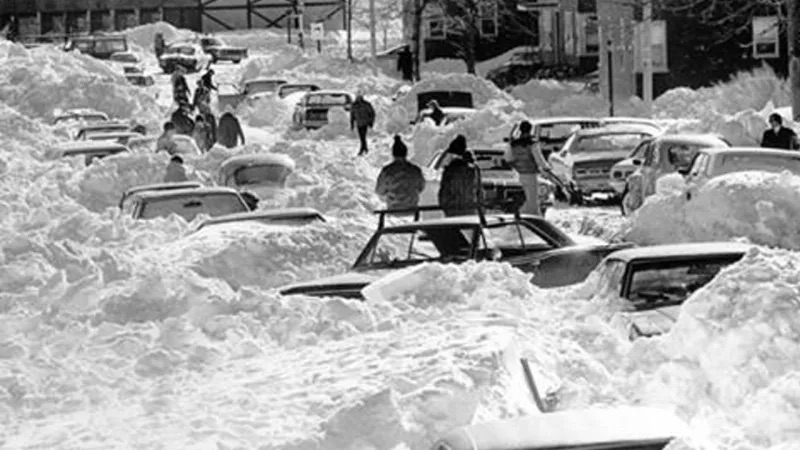
OHIO — The Blizzard of 1978 is widely regarded as the worst winter storm in Ohio’s history, bringing hurricane-force wind gusts, heavy snow, life-threatening cold, and widespread disruption across the state. The storm struck on Jan. 26, 1978, and continued into Jan. 27, paralyzing travel, knocking out power, and leaving communities isolated for days.
The storm developed as a rapidly intensifying low-pressure system that moved north through the Ohio Valley. Rain quickly changed to snow as temperatures plummeted from the 30s into the single digits and near zero in just a few hours. Wind gusts commonly reached 50 to 70 mph across Ohio, with higher gusts recorded in some locations. Cleveland Hopkins International Airport measured an 82 mph wind gust, while a ship on Lake Erie reported gusts as high as 111 mph. Wind chill values fell below minus 50 degrees, and in some areas approached minus 60 degrees.
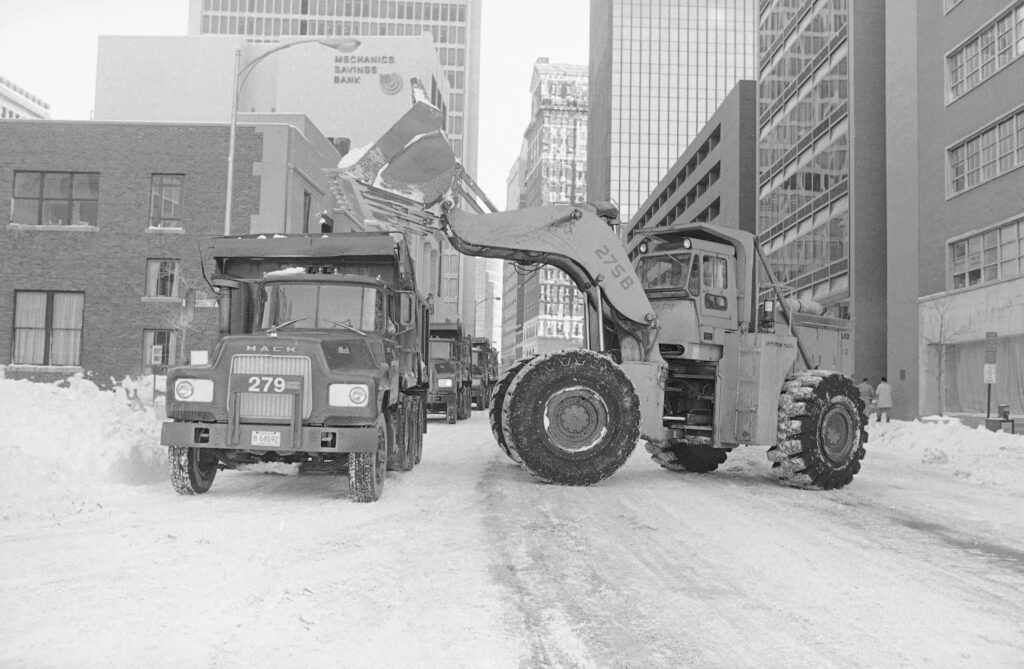
Although snowfall totals generally ranged from about 5 to 15 inches, the powerful winds created massive drifts that reached 15 to 25 feet in places. Whiteout conditions reduced visibility to near zero for much of Jan. 26, making travel impossible across large portions of the state. Thousands of vehicles became stranded, including cars, trucks, buses, and emergency vehicles.
The blizzard brought transportation to a standstill. The entire Ohio Turnpike was closed for the first time in its history, and countless state and local roads became impassable. Schools, businesses, factories, and government offices closed statewide, with many remaining shut down for several days. Food shortages developed in some communities as supply trucks were unable to reach stores, prompting the Ohio National Guard and U.S. Coast Guard to help deliver food and other essential supplies. More than 5,000 members of the Ohio National Guard were mobilized to assist with rescues and emergency operations.
The storm also caused widespread power outages, leaving approximately 175,000 homes without electricity at its peak. Because many furnaces relied on electricity to operate, thousands of residents were left without heat during the dangerous cold. Strong winds also toppled trees, utility poles, barns, signs, and other structures across the state.
Ohio suffered the highest death toll of any state affected by the storm. A total of 51 people died in Ohio during the blizzard, accounting for the majority of the more than 70 deaths across the region. According to National Weather Service records, 22 people died after leaving stranded vehicles or homes without heat and succumbing to exposure. Thirteen people were found dead inside stranded vehicles, another 13 died inside unheated homes, and two people were killed when buildings collapsed under the weight of snow. One additional death was attributed to other storm-related circumstances.
Nearly five decades later, the Blizzard of 1978 remains the benchmark against which major winter storms in Ohio are measured. Its combination of intense winds, dangerous cold, widespread power outages, and prolonged disruption continues to make it the deadliest and most significant winter storm in Ohio history.