


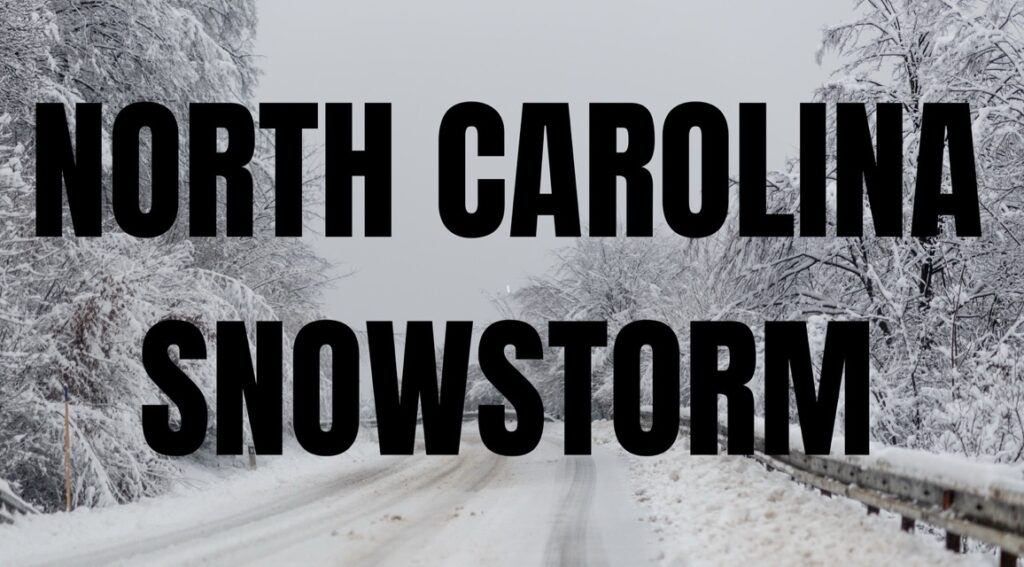
NORTH CAROLINA — Although April is typically associated with mild temperatures and springtime growth, measurable snowfall in North Carolina is a documented—though relatively rare—occurrence, according to the National Weather Service. Historical weather data shows that late-season snow can and does happen, particularly in certain regions of the state.
North Carolina’s diverse geography plays a major role in this possibility. The western part of the state, including the Appalachian Mountains, regularly experiences cooler temperatures than the Piedmont and Coastal Plain. Higher elevations in counties such as Avery, Watauga, and Haywood are especially prone to late-season cold snaps that can support snowfall even into April.
From a meteorological standpoint, April snow events in North Carolina generally require a combination of lingering cold air and an incoming moisture system.
This often occurs when a strong cold front pushes southward while a low-pressure system develops along the Southeast or Mid-Atlantic coast. If temperatures remain low enough throughout the atmosphere, precipitation may fall as snow rather than rain.
Historical records confirm that measurable April snowfall has occurred in parts of the state. The mountains have seen several such events over the years, sometimes with minor accumulations. Even lower elevations, including areas in the Piedmont, have occasionally recorded light snowfall in early April under unusually cold conditions.
However, significant accumulation is less likely during this time of year. Warmer ground temperatures, increased sunlight, and longer daylight hours typically limit how much snow can stick. In many cases, any accumulation melts quickly, often within the same day.
While April snowfall is not typical in North Carolina, especially outside the mountains, it remains a scientifically supported possibility. These rare events serve as a reminder of the variability of spring weather in the region, where winter conditions can occasionally linger later than expected.