


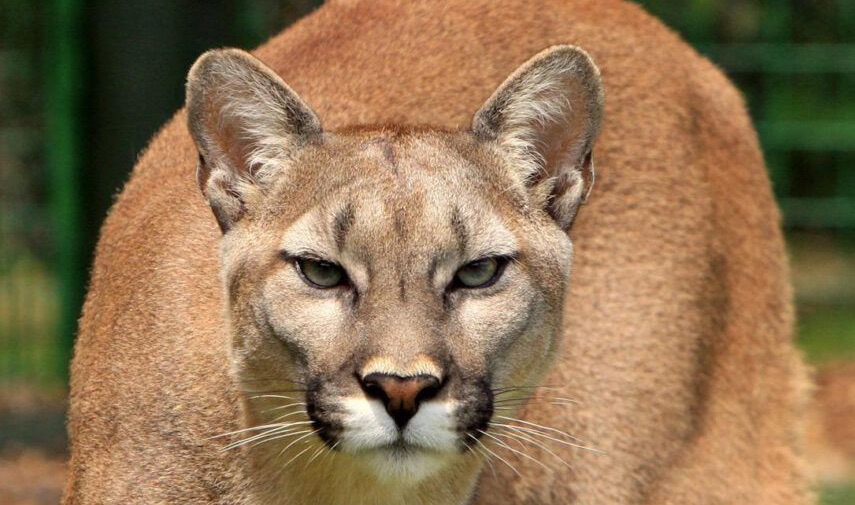
IOWA — Reports of mountain lion sightings continue to be made across Iowa, despite wildlife officials saying the species has been absent as a resident breeding animal for more than a century.
Mountain lions, also known as cougars, pumas or panthers, were once native to Iowa but disappeared from the state by the late 1800s as settlement expanded across the Midwest. Hunting, habitat loss and the decline of large tracts of wilderness contributed to the species’ disappearance. Today, the Iowa Department of Natural Resources (DNR) says there is no evidence of a breeding mountain lion population in Iowa, although confirmed sightings have become increasingly common in recent decades.
Unlike many eastern states where mountain lion reports remain largely unconfirmed, Iowa has documented dozens of verified cougar occurrences since the 1990s. According to the Iowa DNR, confirmed sightings have come from trail camera photographs, tracks, harvested animals, roadkill incidents and DNA evidence collected throughout the state. Wildlife biologists believe the animals are primarily young males dispersing from breeding populations in western states, particularly South Dakota and Nebraska.
Mountain lion sightings have been reported in nearly every region of Iowa, from the Missouri River corridor in western Iowa to counties along the Mississippi River. While many reports remain unconfirmed, the state has recorded numerous verified incidents over the past two decades, making Iowa one of several Midwestern states where transient cougars are known to occur.
One of the most notable confirmations occurred in 2011 when a mountain lion was shot in Sioux County. Additional verified cougars have been documented in other counties throughout the state. Wildlife officials say the frequency of confirmations reflects the species’ ability to travel long distances rather than the establishment of a resident population.
According to the Iowa DNR, mountain lions are capable of traveling hundreds of miles in search of territory. Young males often disperse far from their birthplace, sometimes crossing multiple states. This behavior helps explain why cougars periodically appear in Iowa despite the lack of breeding females.
Wildlife biologists note that many reported mountain lion sightings ultimately turn out to be cases of mistaken identity. Bobcats, which have expanded their range in Iowa in recent decades, are frequently mistaken for cougars. Large domestic cats, coyotes and other wildlife can also account for some reports received by conservation officers.
Despite numerous confirmed cougar appearances, the Iowa DNR states that there is still no evidence of a reproducing mountain lion population. No females with kittens have been documented in the wild, and most confirmed animals have been solitary males. As a result, wildlife officials continue to classify mountain lions as transient visitors rather than a reestablished species in Iowa.
The Iowa Department of Natural Resources encourages residents who believe they have seen a mountain lion to photograph the animal if possible and report the sighting. While cougars occasionally pass through the state, wildlife experts say Iowa remains without a confirmed breeding mountain lion population despite the continuing stream of reports.