


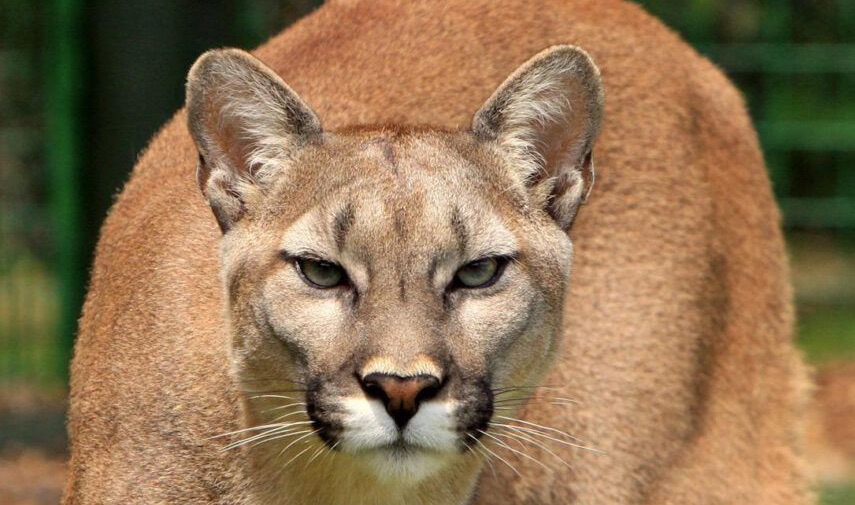
INDIANA — Reports of mountain lion sightings continue to be made across Indiana, even though wildlife officials say the species has been absent as a resident animal for more than a century.
Mountain lions, also known as cougars, pumas or panthers, once inhabited Indiana but were eliminated from the state by the late 1800s due to hunting, habitat loss and human settlement. Today, the Indiana Department of Natural Resources (DNR) states that there is no known breeding population of mountain lions in Indiana. However, unlike many eastern states, Indiana has documented several confirmed cougar occurrences in recent decades.
Despite the lack of a resident population, mountain lion sightings continue to be reported throughout the state each year. Reports have come from southern Indiana, central Indiana and northern Indiana, often involving large tan-colored cats observed crossing roads, moving through fields or appearing on trail cameras. Many reports are investigated by wildlife officials, although most are not confirmed.
According to the Indiana DNR, several mountain lions have been confirmed in the state since 2000 through photographs, tracks, trail camera images and DNA evidence. Wildlife officials believe these animals were transient males that dispersed eastward from established populations in western states such as South Dakota and Nebraska. None of the confirmed sightings involved evidence of breeding activity.
One of the most notable cases occurred in 2009 when a mountain lion was struck and killed by a vehicle in Greenwich, Connecticut. DNA testing showed the animal had traveled more than 1,500 miles from South Dakota, demonstrating the species’ ability to disperse long distances across the Midwest and eastern United States. Indiana wildlife officials cite similar dispersal behavior when explaining confirmed sightings in the state.
The Indiana DNR notes that mountain lions are capable of traveling hundreds of miles in search of territory. As a result, wildlife officials acknowledge that occasional cougars may pass through Indiana even though the state lacks a breeding population. Confirmed sightings in Indiana have generally involved solitary animals rather than groups or family units.
Wildlife biologists say many reported mountain lion sightings ultimately prove to be cases of mistaken identity. Bobcats, large domestic cats, coyotes and even deer viewed under certain conditions can appear larger than expected, leading observers to believe they have seen a cougar. Indiana’s bobcat population has expanded significantly in recent decades, contributing to some reports.
Despite recurring sightings and several confirmed transient animals, the Indiana DNR maintains that no evidence exists of a reproducing mountain lion population in the state. Officials say they have found no indication of females with kittens or other signs that cougars have become established in Indiana.
The Indiana Department of Natural Resources encourages residents who believe they have seen a mountain lion to photograph the animal if possible and report the sighting to wildlife officials for investigation. While occasional cougars may continue to appear in Indiana, wildlife experts say the species remains extirpated as a resident breeding animal in the state.