


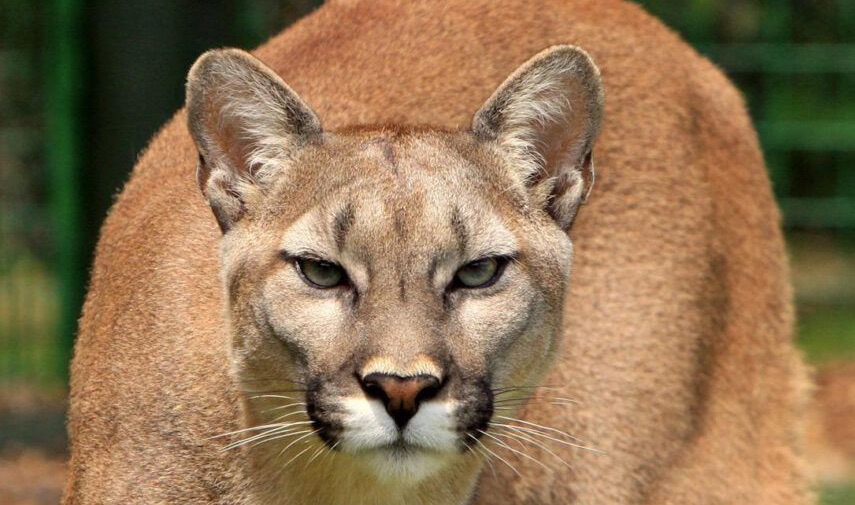
NORTH CAROLINA — Reports of mountain lion sightings continue to be made across North Carolina, despite wildlife officials maintaining that the species has been extinct in the state for more than a century.
Mountain lions, also known as cougars, once lived throughout North Carolina, but the species was extirpated from the state during the late 1800s due to hunting, habitat loss and expanding human settlement. The North Carolina Wildlife Resources Commission (NCWRC) states that there has been no substantiated evidence of a wild cougar population in North Carolina since that time.
According to the NCWRC, the agency still receives periodic reports from residents who believe they have seen cougars or cougar tracks. Wildlife biologists routinely investigate those reports, but officials say nearly all are ultimately determined to be misidentifications of domestic animals, bobcats, coyotes or other wildlife.
The state’s last known historical cougar sighting occurred in 1886 in Macon County, according to North Carolina wildlife records. Since then, no breeding population has been documented anywhere in the state.
Despite the lack of confirmed evidence, sightings continue to generate attention across North Carolina. Reports frequently emerge from the mountains of western North Carolina, the Piedmont and even the coastal plain. Social media posts, trail camera images and eyewitness accounts often spark debate over whether cougars have returned to the state.
Wildlife officials say many reported sightings involve bobcats, which are native to North Carolina and can appear larger than expected when viewed from a distance. The NCWRC notes that no physical evidence, such as verified photographs, tracks, DNA samples or carcasses, has been produced to establish the existence of a wild cougar population in the state.
There have, however, been isolated cases involving captive animals. In the 1980s, two cougars found in Tyrrell County were determined to be escaped pets after investigators discovered identifying tattoos on the animals. Wildlife officials said the incident did not indicate the presence of a wild population.
Biologists acknowledge that western mountain lions have occasionally traveled hundreds or even thousands of miles beyond their established range. One well-known example involved a cougar that traveled from South Dakota to Connecticut before being struck and killed by a vehicle in 2011. Such long-distance movements have fueled speculation that a wandering cougar could someday pass through North Carolina, although no such wild dispersing animal has been confirmed in the state.
The NCWRC encourages anyone who believes they have seen a mountain lion to document the animal with clear photographs, video or other physical evidence. Until such evidence is obtained, wildlife officials maintain that North Carolina remains without a confirmed wild cougar population.