


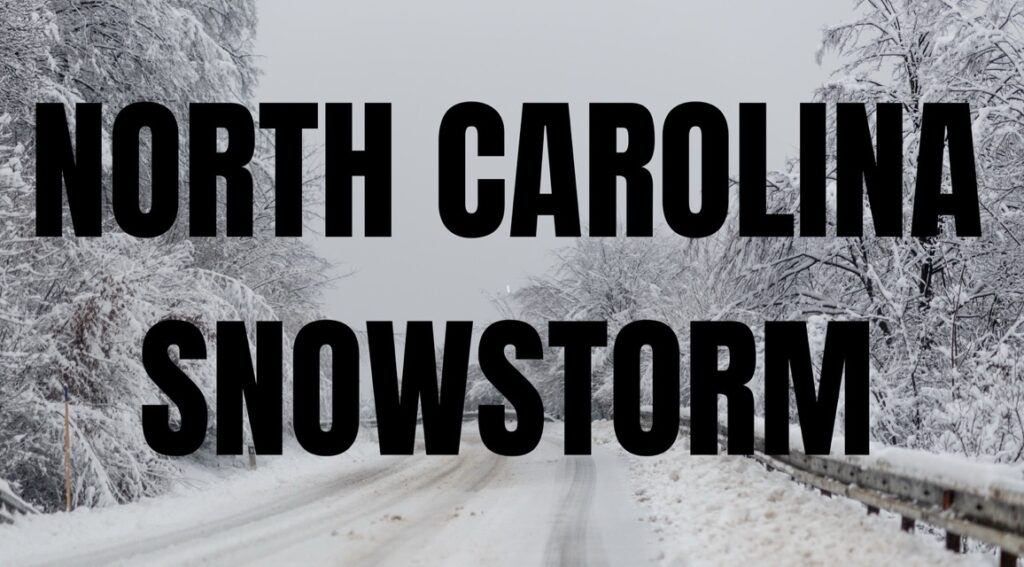
NORTH CAROLINA — While snow is far from guaranteed in much of North Carolina, historical climate records clearly show that measurable snowfall in February is a real and documented part of the state’s winter weather.
Winter Snowfall in North Carolina
North Carolina’s climate varies from the mountains in the west, where winter conditions are colder and snow more common, to the coastal plain in the east, where snow is infrequent, according to the National Weather Service. Average snowfall data underscore this variation:
- In the mountain communities such as Asheville or Banner Elk, average annual snow totals exceed 10 inches, and February snowfall can contribute significantly to those totals.
- Piedmont cities like Charlotte and Raleigh have much lower averages — often just a few inches of snow over an entire winter — but measurable snow in February has occurred.
- Coastal locations like Wilmington historically receive very little snow, though measurable events are recorded and occasional significant snow has occurred.
Historical Snow Events in February
Although many winters see little or no snow — especially near the coast — there are numerous historical examples of measurable snow in February:
- Central and eastern parts of the state have seen bursts of heavier snow late in February. A storm on Feb. 10–11 brought up to 10 inches of snow in portions of Craven and Pamlico Counties, illustrating that significant snow can occur even late in the winter season.
- In 1902–1907 climate records, Raleigh recorded February snowfall amounts up to about 6.5 inches in individual events.
- In the broader historical record across North Carolina, counties have documented measurable February snowstorms, some reaching 8–12+ inches in unusual circumstances.
Deep historical data also show that significant snow storms — though rare — have been recorded in other months adjacent to February. For example, extreme events in late winter or early spring can produce significant snow in portions of the state.
Climatology: How Often Does It Happen?
Snow in February is not the norm everywhere in North Carolina, but it is not unprecedented:
- Statistical studies of winter weather in North Carolina indicate that measurable snow and sleet events happen in most years somewhere in the state, with greater frequency in the mountains than on the coast.
- In the Piedmont region, measurable snow in February occurs less frequently than in the mountains, but several documented snow events have produced measurable totals in that month over the last century.
- The further east one goes toward the coast, the less frequent measurable snowfall becomes; yet even Wilmington’s historical records include measurable February snow, including storms in 1896 and 1973 that dropped about a foot or more.
Seasonal Context
Climatologists emphasize that February in North Carolina sits near the peak of winter for potential snow events.Meteorologically, this is a month when cold air masses from the north can still persist, and moisture from Gulf or Atlantic systems can interact with that cold to produce snow rather than rain in inland areas.
In summary, North Carolina does experience measurable snow in February with some regularity — especially in the central and western parts of the state — and there are numerous historical events that demonstrate the state’s capacity for measurable February snowfall. The frequency and amount vary widely by region, with the mountains most likely to see it and the coastal plain least likely, but measurable February snow remains a well-documented part of North Carolina’s winter climate.